Top 10 Fantasy Hockey Draft Strategy Tips for 2025
Master your pool with these 10 fantasy hockey draft strategy tips. Prep smarter, draft stronger, and outplay rivals all season long.
Meta description: Discover 10 proven fantasy hockey draft strategies to dominate your league, sharpen your NHLdle skills, and celebrate legendary players while building a winning roster.
Gear Up Like a Pro
Get pumped, hockey fans. If you love NHLdle puzzles and testing your puck IQ, these 10 tips are your blueprint. We’ll mix real trivia—like how Wayne Gretzky racked up 50 goals in just 39 games—with modern NHLdle drills to sharpen your draft-day edge.
What you’ll walk away with today:
- ADP Analysis: Spot value swings—like drafting an overvalued Bolts forward before he tanks.
- Rankings Shortcuts: Custom tiers that tame draft-board chaos.
- Hockey IQ Boosts: NHLdle exercises to lock in top-cheese snipers.
- Positional Scarcity: Prioritise D-men or centres when supply dries up.
- Draft Builds: Stars-and-scratches, balanced depth, or category-punt approaches.
- Sleeper & Target Lists: Under-the-radar picks from AHL call-ups to veteran bounce-backs.
- Auction-Specific Tips: Budgeting secrets and late-round dart throws.
- Goalie Timing: Nail the pick-and-punt strategy with in-form tenders.
- Injury Risk Management: Handcuff plans for your breakout forwards.
- League-Type Tweaks: Customise for points, H2H or keeper pools.
By blending NHLdle trivia and advanced analytics, you’ll build a roster that scores, blocks and clogs your opponents. Lace up your skates—draft day is coming, and your rivals won’t know what hit them tonight.
1. Zero RB (Zero Running Back)
Zero RB might sound like a football call, but in your fantasy hockey draft strategy it means loading up on elite forwards and goalies early, then grabbing depth defence and breakouts later. It’s a contrarian twist that can give you a leg up in H2H or points leagues.

Why This Approach Works
- Forward scarcity: Top snipers like McDavid or Ovechkin drive more points than mid-tier D.
- Waiver gold: Bottom-pair D can emerge via injury or role change—think Rasmus Sandin’s breakout.
- Goalie leverage: Elite tenders often slide to Rounds 3–4. Grabbing Andersen or Georgiev early locks in wins and save bonuses.
Example in Action
A CA league champ skipped top-four D until Round 6. He drafted MacKinnon, Matthews and two goalies back-to-back. Midway through the year, waiver-wire gems and a timely NHLdle flash quiz on rising rookies helped him sail past rivals fighting over middling blueliners.
Actionable Tips
- Target 100+ point forwards in your opening three picks.
- Stay active on waivers for rising-depth D when injuries strike.
- Monitor usage shifts—stash AHL call-ups slotted for bigger roles.
- Stack passing games: pair a top centre with his winger to boost PPG upside.
When to Use Zero RB
Opt for this if your league rewards goals and assists heavily and you’re confident in waiver competition.
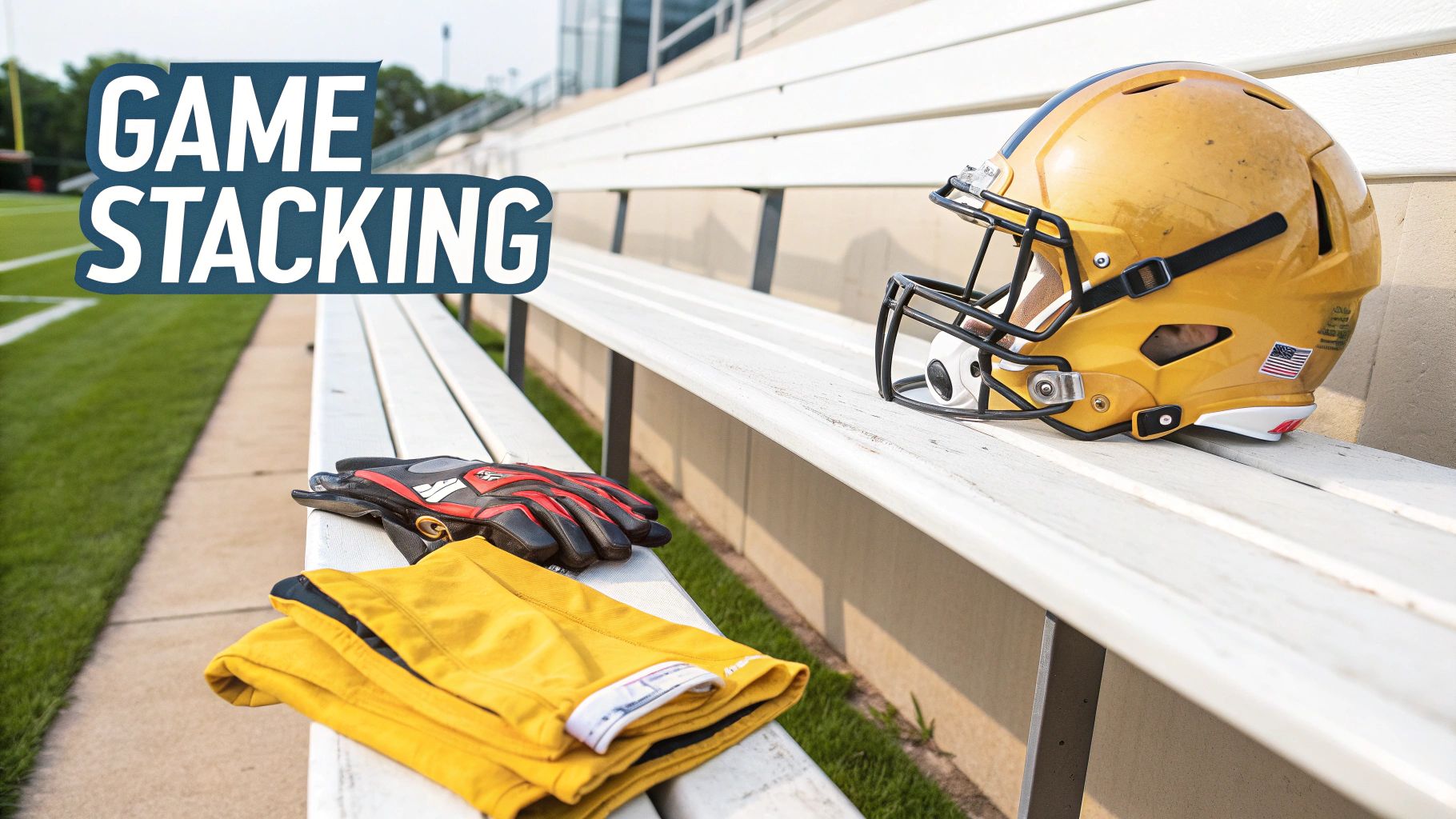
2. Stack Strategy (Game Stacking)
Stack Strategy links your fate to one real-world game. Draft multiple players from the same team or matchup to cash in when that squad erupts offensively.
Why This Approach Works
- Correlated upside: A hot right wing like McDavid alongside Draisaitl maximises point opportunities.
- Power-play synergies: Stack top PP units like the Leafs’ first line for bonus chances.
- Schedule leverage: Target teams on back-to-backs or weak opponents for extra ice time.
Example in Action
One manager grabbed Matthews, Marner and Nylander from Toronto in Round 4. Against bottom-pair defences, they combined for 15 points in a three-game week—and that stack vaulted him into first place by Christmas.
Actionable Tips
- Pair your core centre with both wing pass catchers.
- Use flex slots for third- or fourth-line stacks in late rounds.
- Monitor strength of schedule and home-ice matchups.
- Target teams with stable power-play roles all season.
When to Use Stack Strategy
Go all-in on game stacking in deep H2H pools or points leagues when a high-octane offence is peaking. Learn more about Stack Strategy (Game Stacking) on sportsdle.com
3. Handcuff Strategy
Handcuff Strategy locks you into both your starter and backup netminder on the same team. It’s insurance against injuries, ice-time cuts or cold streaks.
Why This Approach Works
- Reduced start risk: backups pick up extra assignments when your starter needs rest.
- Late-round gold: many backups drop into Rounds 6–10 but can deliver 20+ starts.
- Ratio stability: if your star slumps, the backup preserves your save percentage.
Example in Action
In 2022, one manager grabbed Shesterkin in Round 3 then handcuffed Georgiev in Round 8. Georgiev posted a .918 save rate and 10 wins when Shesterkin rested. Another champion nabbed Lehner and later picked up Brossoit—when Lehner missed five games, Brossoit kept the wins coming.
Actionable Tips
- Only handcuff elite goalies drafted in Rounds 1–3.
- Research usage splits and historical backup performance.
- Fill skaters first, then target your handcuff in Rounds 6–9.
- Watch preseason minutes for backups trending up.
When to Use Handcuff Strategy
Use this in H2H leagues rewarding wins and save percentage, or in keeper formats where depth matters. Learn more about Handcuff Strategy on sportsdle.com
4. Punt Strategy (Positional Punting)
Punt Strategy means sacrificing strength in one position—like defence or backup G—to load up on high-scoring forwards and aces early.
Why This Approach Works
- Waiver deep dive: bottom-pair D and backup goalies pop off waivers post-injury.
- Draft capital surge: ignore a deep spot to snag more top-6 forwards or elite tenders.
- Trade bait: surplus strength becomes currency for upgrades at your weak position.
Example in Action
In a 10-team points league, one GM punted D entirely and grabbed nine forwards plus two goalies in Rounds 1–5. He streamed bottom-pair D off waivers and traded excess goalie depth for a blue-line upgrade—then parlayed that balanced stat sheet into a finals appearance.
Actionable Tips
- Identify the richest waiver pool before punting.
- Align your punt with scoring settings—punt G in wins-heavy formats or D in assist-centric contests.
- Pre-rank streaming options to plug holes from Week 1 onward.
- Stockpile waiver targets to flip at peak value later.
When to Use Punt Strategy
Opt for punting when one spot has clear depth advantages and you want to concentrate on premium positions.
5. Value-Based Drafting (VBD)
Value-Based Drafting measures a player’s production above replacement level, letting you spot underpriced targets and exploit scarcity.
Why This Approach Works
- Positional clarity: few D or centres outpace replacement-level peers.
- Maximising surplus: biggest VBD gaps yield more fantasy points per pick.
- Adaptable: works in H2H or points leagues, aligning value to your scoring categories.
Example in Action
A champ used Boris Chen’s tier-based VBD model, waiting on wingers and drafting Pietrangelo and Kuemper late—earning a 20-point edge over replacement-level defenders and goalies. FantasyPros’ composite VBD also helped another manager snag Rantanen two rounds early.
Actionable Tips
- Calculate replacement level for your league size.
- Adjust VBD to your scoring and roster depth.
- Treat VBD as guidance, not gospel.
- Cross-check with experts like Rotoviz.
- Update projections weekly for breakout candidates.
When to Use Value-Based Drafting
Lean on VBD in balanced drafts or auctions where category balance matters.
6. Late-Round QB Strategy
Late-Round QB means deferring goalie picks until Rounds 8–12+, stocking up on skaters early, then swooping on goalies later when value drops.
Why This Approach Works
- Goalie depth: waiver-wire gems like Charlie Lindgren surface after big names fly off.
- Skater scarcity: lock in elite centres and top-pair D before rivals pivot to netminders.
- Streaming leverage: ride hot tandems or exploit back-to-back starter schedules.
Example in Action
One manager ignored goalies until Pick 72, then snagged Swayman and Hill at Picks 80 and 96. By December, streaming Fleury in favorable matchups landed him the league’s best W rate.
Actionable Tips
- Wait until at least Round 8 for your first goalie.
- Identify tandems or hot starters for streaming.
- Target netminders on rising squads (e.g., Seattle or Winnipeg).
- Exploit back-to-backs and home-ice stretches.
When to Use Late-Round QB
Use this when your league rewards wins and saves heavily and offers deep waiver pools.
7. Target Share and Snap Count Strategy
In this strategy, focus on ice time share, shift counts, zone starts and PP usage over past production.
Why This Approach Works
- TOI drives counting stats: more minutes equal more shots, hits and assists.
- Shift consistency: frequent shifts keep players in snipe range.
- Power-play leverage: PP1 skaters rake in assists and points.
Example in Action
In 2022, Flames’ Elias Lindholm jumped from 17 to 21 minutes TOI. Managers who spotted that trend nabbed a 60+ point centre late in Round 3. Ducks’ Trevor Zegras cracked PP1 in 2023 and exploded for 70+ points—anyone tracking usage cashed in.
Actionable Tips
- Use Natural Stat Trick and HockeyViz to track TOI and zone starts.
- Compare usage trends across seasons.
- Spot stable zone-start percentages above 55% in the offensive end.
- Weight recent usage more heavily.
- Factor in coaching or linemate changes.
When to Use This Strategy
Opt for this in leagues rewarding shots, hits and TOI, or when you want volume over boom-bust. Learn more about Target Share and Snap Count Strategy on Sportsdle.
8. Consistency vs. Ceiling Strategy
Balance safe, high-floor scorers with boom-or-bust talents that can snipe a hat-trick any night.
Why This Approach Works
- Reliable base: players like Bergeron and O’Reilly pile up assists and plus-minus.
- Upside swing: snipers like Kaprizov or Boeser can dangle through coverage and erupt.
- Playoff payoff: steady output plus one big celly week can swing a series.
Example in Action
A winner drafted McDavid, Scheifele and Kakko in Rounds 1–4, then grabbed Byram and Zegras in Rounds 7–9. The steady points kept him competitive and Zegras’s mid-season celly spree clinched two key wins.
Actionable Tips
- Secure 60+ point forwards in your first three picks.
- Stash rookies or new linemates in mid rounds.
- Use volatility metrics to find swing-for-the-fences picks.
- Aim for a 50/50 split: half steady, half high ceiling.
When to Use This Strategy
Ideal in H2H leagues with weekly matchups or points formats rewarding both assists and multi-goal outbursts.
9. Strength of Schedule Drafting
Use the season’s calendar as a cheat code. Pick players whose teams face soft defensive opponents during playoff weeks (15–17).
Why This Approach Works
- Matchup leverage: weak opponents often flip scoring rates up by 10–15%.
- Tight races: bonus goals and saves in March/April can clinch it.
- Roster balance: draft top talent early and use late picks on schedule-friendly guys.
Example in Action
In 2023, a champ loaded up on Flames forwards and Wild spares. Calgary faced Detroit and Arizona in weeks 16–17—Minnesota’s netminder went against Ottawa and Chicago. That dive gained an extra 30 fantasy points over rivals.
Actionable Tips
- Use SOS as a late-round tiebreaker in Rounds 8+.
- Prioritise diverse bye weeks.
- Check playoff-week matchups on FantasyPros.
- Balance schedule with proven talent.
- Slot in a high-upside goalie facing weak offences late.
When to Use This Strategy
Great in deep or tight H2H formats where every category swing counts.
10. Age and Decline Curve Strategy
Devalue ageing vets and back young skaters primed for peak performance. Avoid mid-30s stars to dodge slumps and injuries.
Why This Approach Works
- Speed decline: players often lose top-end gear past age 31.
- Ice-time shifts: coaches shorten minutes, opening PP roles to kids.
- Injury risk: wear and tear drives up IR stints for 32+ vets.
Example in Action
A winner in a 10-team H2H passed on Ovechkin and Forsberg (31+) to draft Hughes (21) and Kaprizov (22). Mid-season, Hughes scored 60 and Kaprizov lit the lamp—while rivals slogged through cold streaks.
Actionable Tips
- Target players aged 27–30 for reliable peaks.
- Research position-specific curves—D often decline later.
- Balance age with PP deployment for sniper upside.
- Avoid drafting 32+ skaters until final rounds.
- Monitor concussion history on veteran blueliners.
When to Use This Strategy
Best in keeper or redraft leagues where long-term value and injury risk matter.
Top 10 Fantasy Hockey Draft Strategy Comparison
| Strategy | Complexity 🔄 | Resources ⚡ | Outcomes ⭐📊 | Ideal Cases 💡 | Key Advantages ⭐ |
|---|---|---|---|---|---|
| Zero RB | Moderate | High – waiver monitoring & depth research | High upside on skaters later | Goals/assists-heavy formats | Prioritises scarce scorers |
| Stack Strategy (Game Stacking) | Moderate | Moderate – matchup scouting | Very high weekly ceiling | Deep H2H pools, points leagues | Maximises correlated scoring |
| Handcuff Strategy | Low | Low – mid-round pick | Steady fallback & insurance | Wins & save% leagues, keeper formats | Secures injury insurance |
| Punt Strategy (Positional Punting) | Moderate | Moderate – waiver & trade plans | Concentrated strength with predictable weakness | Exploiting deep positions | Extra draft capital |
| Value-Based Drafting (VBD) | High | High – projections & calculators | Systematic value capture | Analytic managers, mixed formats | Data-backed positional clarity |
| Late-Round QB Strategy | Low–Moderate | Moderate – streaming plan | Preserves early capital & depth | Deep leagues, streaming-friendly managers | Frees early picks |
| Target Share & Snap Count Strategy | High | High – advanced metrics | Volume-driven breakouts | Dynasty, swing picks, undervalued finds | Prioritises opportunity metrics |
| Consistency vs. Ceiling Strategy | Moderate | Moderate – volatility analytics | Stable floors with boom weeks | Weekly H2H, playoff-focused builds | Balances risk & reward |
| Strength of Schedule Drafting | Moderate | Low–Moderate – schedule tools | Improved late-season matchups | Deep H2H, tight formats | Aligns roster for playoffs |
| Age and Decline Curve Strategy | Moderate | Moderate – historical data | Longer-term stability | Keeper, redraft leagues avoiding veteran risk | Targets prime-age talent |
Celly Time: Execute and Dominate
You’ve drafted your squad, nailed your sleepers and mastered every tactic. Now trust your prep and let your roster shine on draft night—celly every win.
Key Takeaways
- Pre-draft prep: tiers, ADP trends and injury tracking pays off.
- Positional flexibility: balanced skater pool and goalie timing avoid start shortages.
- Target share & consistency: PP1 and high TOI separate contenders from pretenders.
- Strategic builds: stars-and-scratches or punting cat fits your league.
- Late-round darts: rookies and bounce-back vets can be season harvests.
Next Steps on the Ice
- Track weekly line shuffles and injuries—fresh top-six calls can net league-winning pickups.
- Monitor goalie matchups—slot in tenders facing low-shot teams.
- Use live trade charts to pounce on panic sellers.
- Stay active on waivers—drop zone is your secret weapon.
- Lean on expert resources—explore diverse strategic approaches.
Why Mastering These Moves Wins Crowns
Drafting McDavid or Matthews is great, but championships hinge on depth, value and pivoting when the game shifts. Those extra assists, SHGs or short-handed bonuses decide mid-pack vs top-three. You’ll read shot charts like a coach, predict line chemistry like a scout and snag breakout skaters before they explode.
Your Fantasy Crown Awaits
From Zero-RB builds to punting strategies, you’ve covered every angle. Now pop the champers, throw your best celly and enjoy commanding a league you’ve outsmarted. Lace up, stickhandle through the schedule and get ready to celly every win.
Hungry for more fast-paced hockey challenges off the ice? Test your NHL trivia and sharpen your fantasy instincts with SportsDle. Dive into daily puzzles that boost your draft IQ and keep you one step ahead come draft day SportsDle.